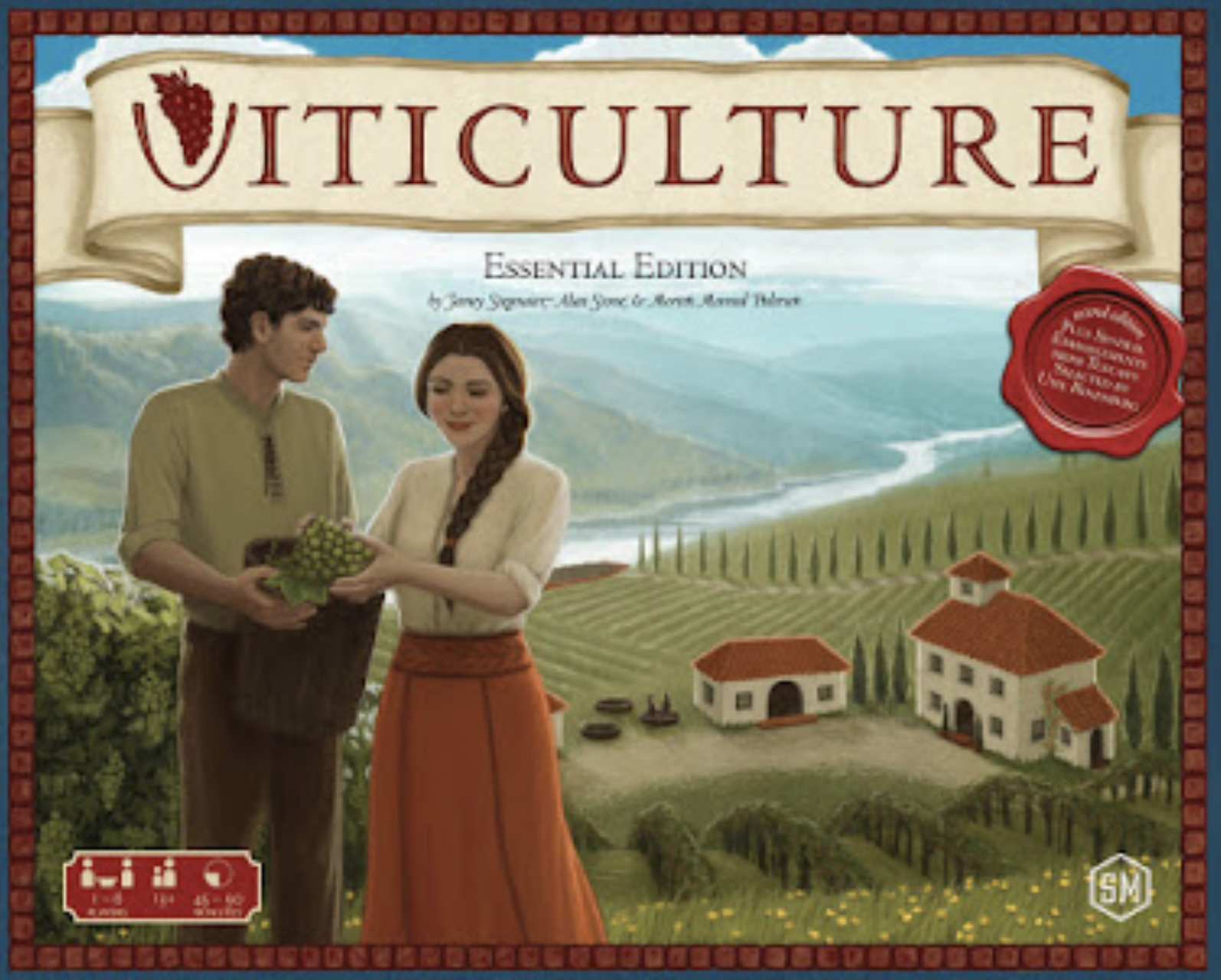
In the world of board games, where strategy meets storytelling, Viticulture stands as a vineyard of delight for enthusiasts. From the first uncorking of the box to the final celebration of a successful vintage, the game immerses players in the art of winemaking.
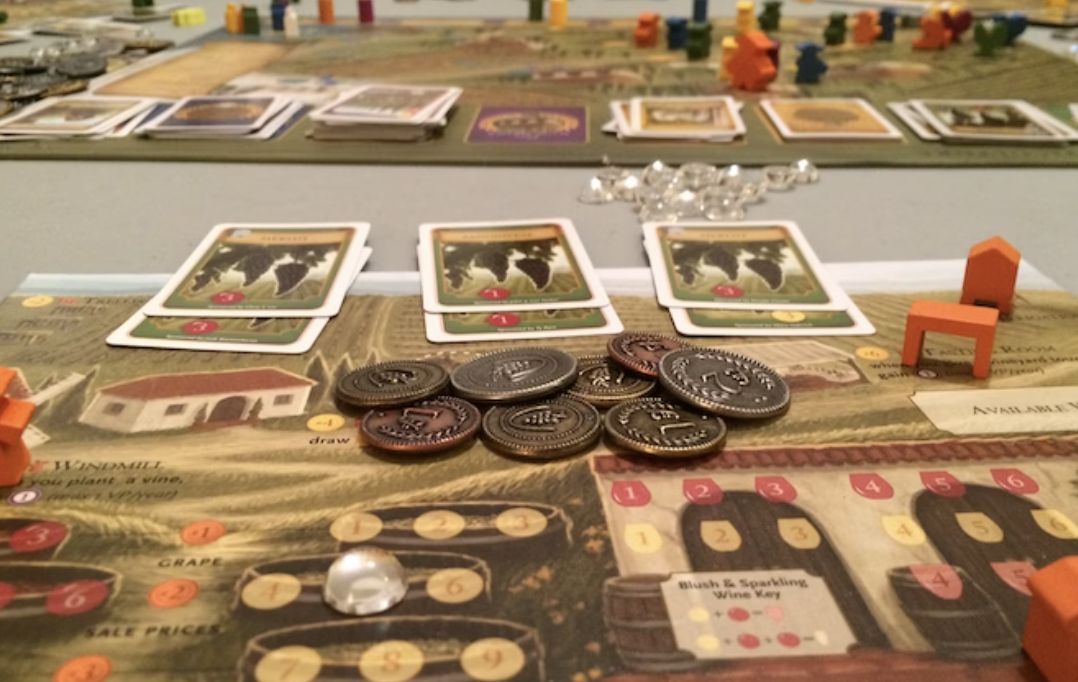
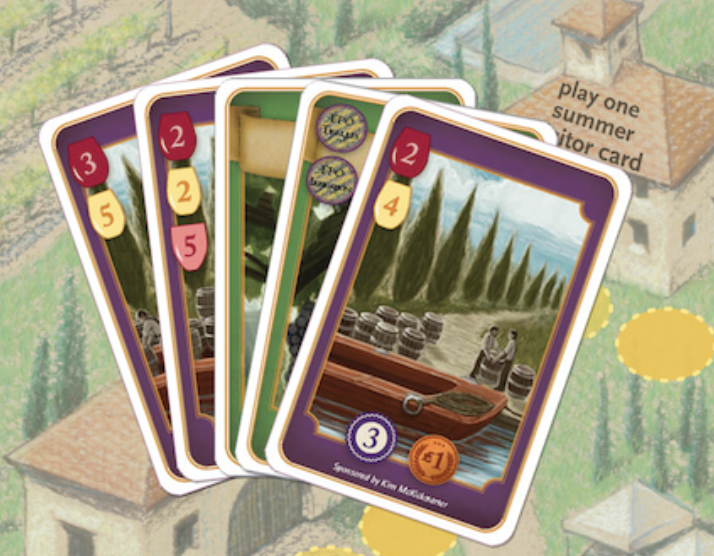
Viticulture's theme is like a fine wine, rich, deep, and thoroughly satisfying. Set in the sun-soaked hills of Tuscany, players take on the roles of vineyard owners aiming to transform their rustic estates into world-renowned wineries. The attention to detail in the game's components, from the beautifully illustrated vineyard cards to the wooden grape and wine tokens, elevates the thematic experience. Every element, from the seasons changing to the workers diligently tending to the vines, contributes to a sense of immersion that is rarely achieved in board games.
The thematic integration extends beyond aesthetics to the mechanics. Planting vines, harvesting grapes, and crafting exquisite wines are not mere actions; they are vital steps in a winemaking journey. This thematic coherence enhances the gameplay, making every decision feel grounded in the pursuit of vinicultural excellence. As you navigate through the seasons, the theme unfolds, creating a narrative tapestry that connects players to their virtual vineyards.
LETS TALK PROS
*Strategic Depth*
Viticulture offers a perfect blend of accessibility and strategic depth. The game's rules are straightforward, allowing new players to quickly grasp the basics. However, beneath this simplicity lies a nuanced strategy that unfolds with each play. From deciding when to plant specific grape varieties to optimizing worker placement, every choice carries weight and consequence.
*Elegant Worker Placement*
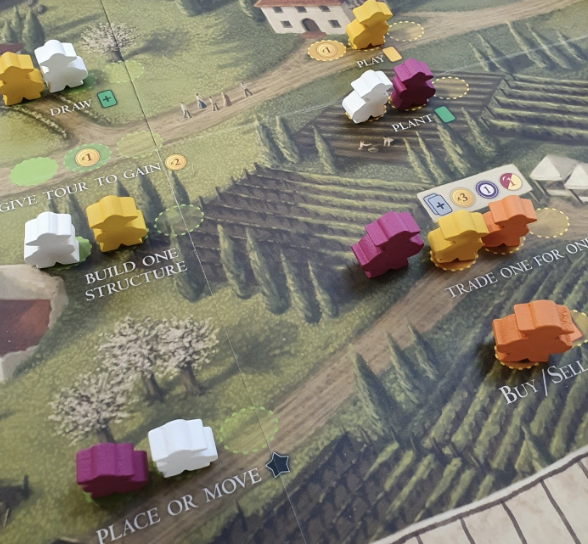
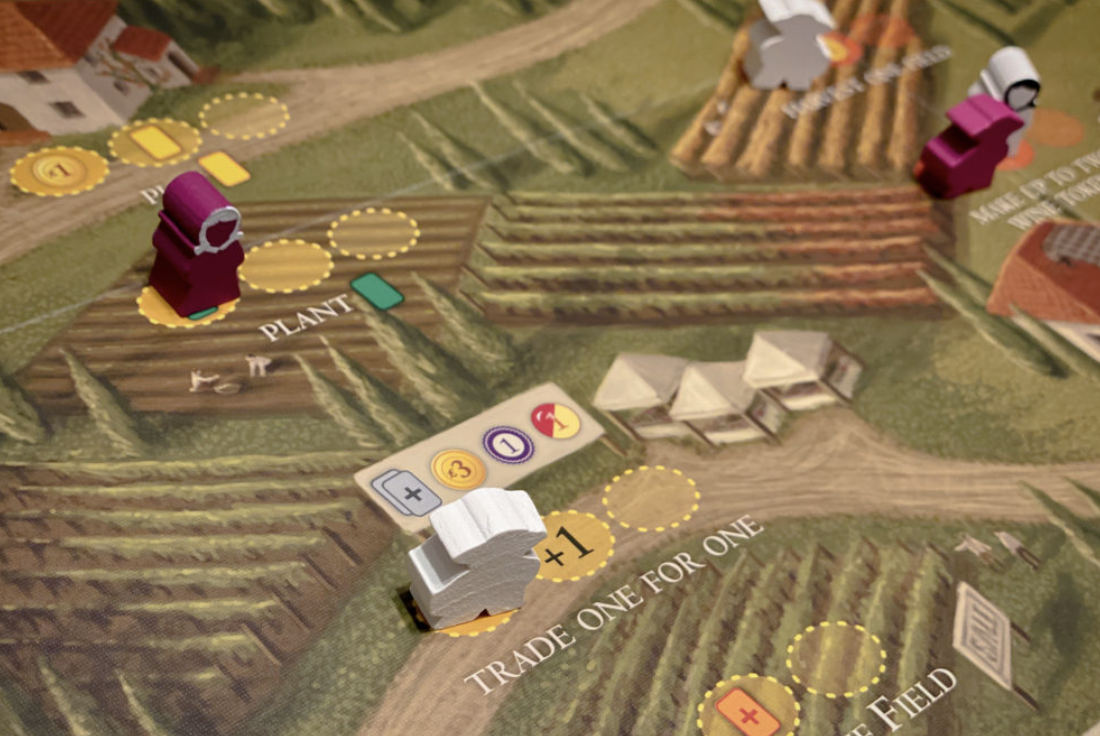
The heart of Viticulture lies in its worker placement mechanism. The elegance of this system is in its flexibility. Players use their workers to perform various actions, such as planting vines, harvesting grapes, or fulfilling wine orders. However, the catch is that the order in which players place their workers matters, as the spots reward players with placement bonuses, adding a layer of tactical decision-making. This mechanic ensures that every turn is a puzzle to solve, keeping the game engaging from start to finish.
*Engaging Tension*
Viticulture masterfully balances competition and camaraderie. While players vie for victory points and resources, the game never devolves into a cutthroat competition. The race to craft the finest wines is more about personal achievement than direct conflict. The tension arises from strategic decisions and resource management, creating an enjoyable challenge without sacrificing the friendly atmosphere around the table.
*Expansions that Enrich*
Viticulture offers several expansions, each adding new dimensions to the base game. Whether it's introducing special worker abilities or expanding the vineyard with new regions, these expansions keep the game fresh and exciting. They seamlessly integrate with the core experience, providing both variety and depth for seasoned players.
*Quality Components*
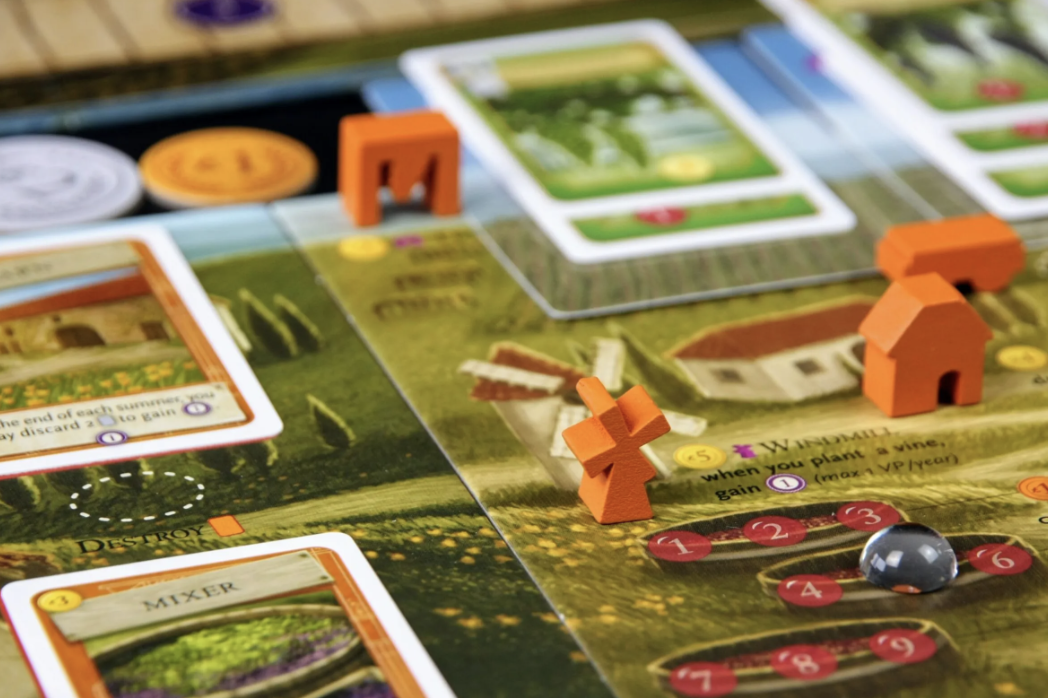
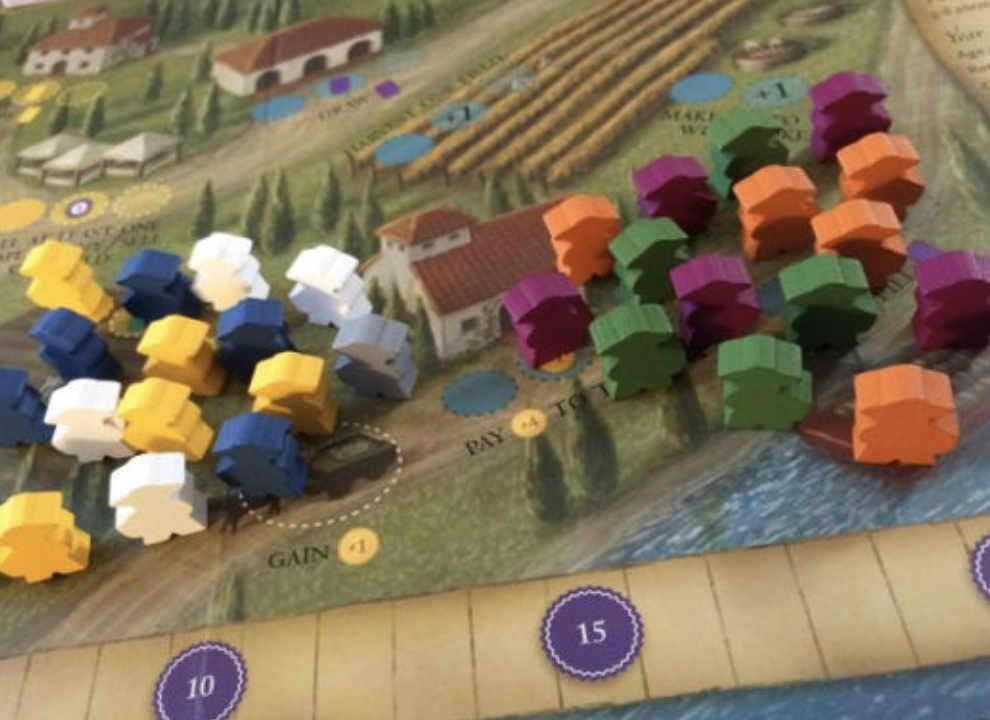
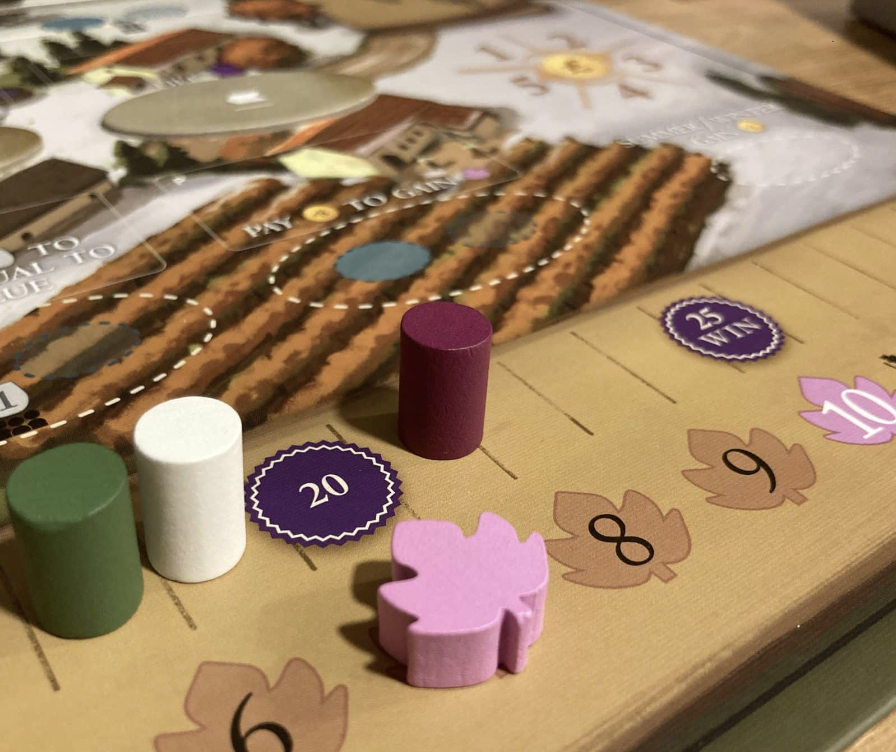
The production quality of Viticulture is commendable. From the thick, linen-finished cards to the weighty wooden tokens, every component exudes durability and craftsmanship. The game board, adorned with vibrant artwork, becomes a visual feast as players cultivate their vineyards. The tactile pleasure of handling quality components enhances the overall gaming experience.
ALRIGHTY, SOME CONS
*Steep Learning Curve for Newcomers*
While the basic rules are accessible, newcomers may find the depth of strategy overwhelming in their initial plays. The game's intricacies unfold over time, and the learning curve can be steeper for those unfamiliar with complex Euro-style board games.
*Limited Player Interaction*
For players seeking intense interaction or direct conflict, Viticulture may feel a bit restrained. The game's focus on personal vineyard development means that interaction is primarily indirect, often manifesting in the form of resource competition or strategic blocking.
*Longer Playtime with Full Complement*
With a full complement of players (6), Viticulture's playtime can stretch, especially for those new to the game. While the strategic depth justifies the duration, it might be challenging for groups with time constraints.
*Resource Availability Luck*
The draw of vine cards and wine order cards is randomized, introducing an element of luck. Depending on the luck of the draw, some players may find themselves with more favorable combinations, potentially affecting the game's balance.
FINAL THOUGHTS?
In the vast vineyard of board games, Viticulture stands tall, offering a truly distinctive and satisfying experience. Its seamless integration of theme and mechanics, strategic depth, and engaging gameplay make it a must-have for any serious board game enthusiast. While it may not be the ideal choice for those seeking intense player interaction or a swift game night, its virtues far outweigh its minor shortcomings.
As I reflect on my numerous sessions with Viticulture, each play feels like a sip of a well-aged wine – a moment of pleasure, a celebration of craftsmanship, and an appreciation for the artistry behind the game. It's a testament to Stonemaier Games' commitment to creating immersive and enjoyable gaming experiences.
Viticulture, with its timeless appeal, continues to be in my top 10 games of all time, and I eagerly anticipate the stories my vineyards have yet to unfold.
AJ